Visualising Palermo
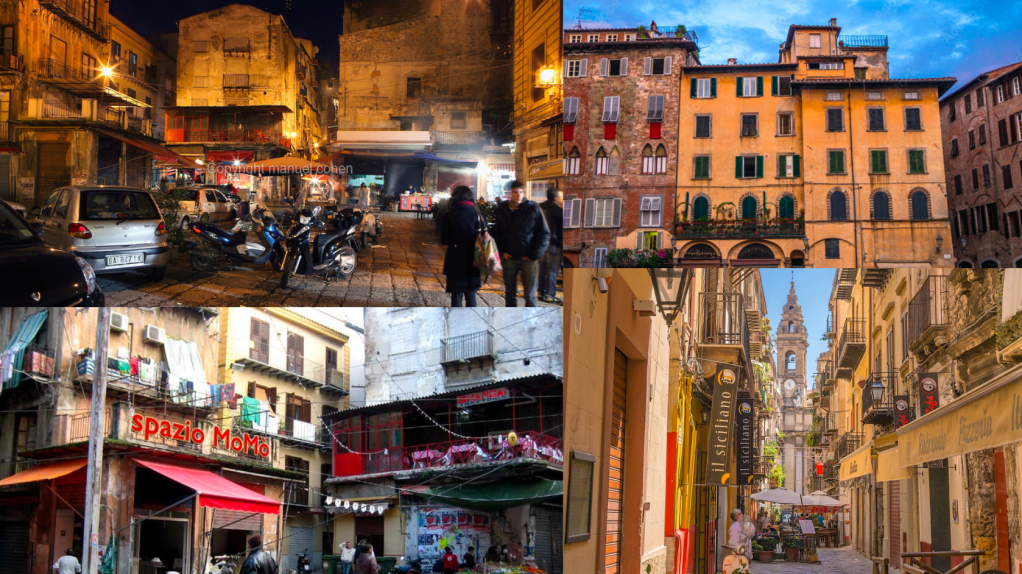
In order to set the scene and start thinking about the VR environment, I immersed myself in learning about the city of Palermo, about its language roots, atmosphere and environment. The films I watched as a reference were Ficarra e Picone – Nati Stanchi, Alla luce del sole and Il 7 e l’8. Two of the films were comedies and one was a drama/crime, so it helped me to visualise the city from different narratives.
References:
Exploring films – Ficarra e Picone – Nati Stanchi | https://www.youtube.com/watch?v=PTniRrakXkI
Alla luce del sole – https://www.youtube.com/watch?v=d0HdGpF75FY
Il 7 e l’8 e la matassa
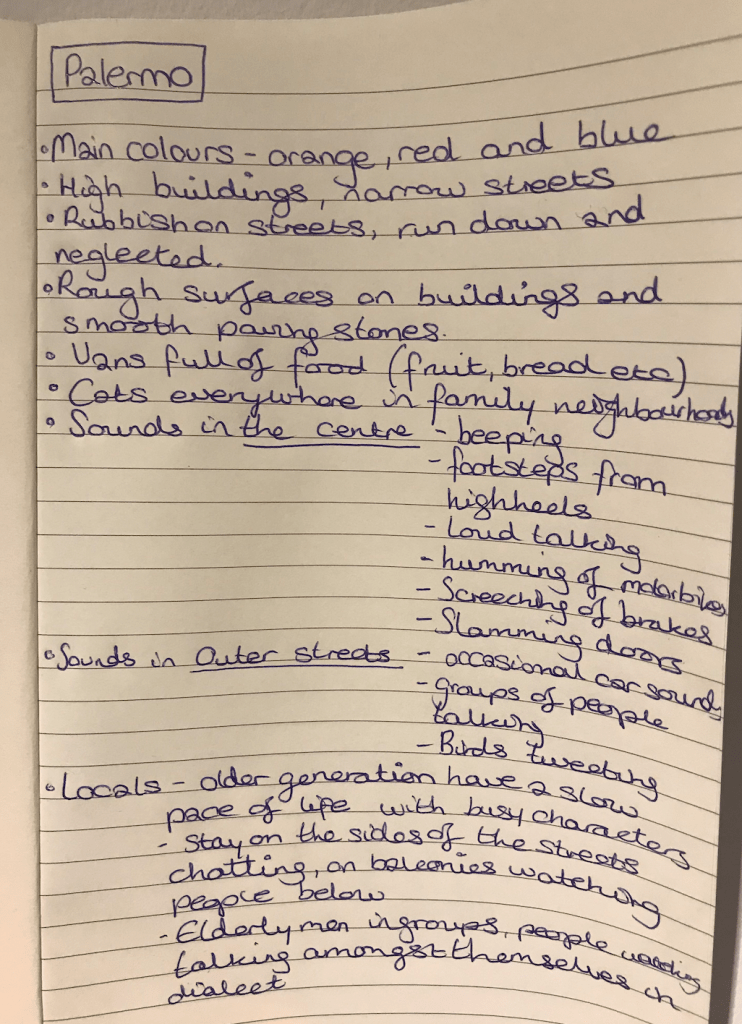
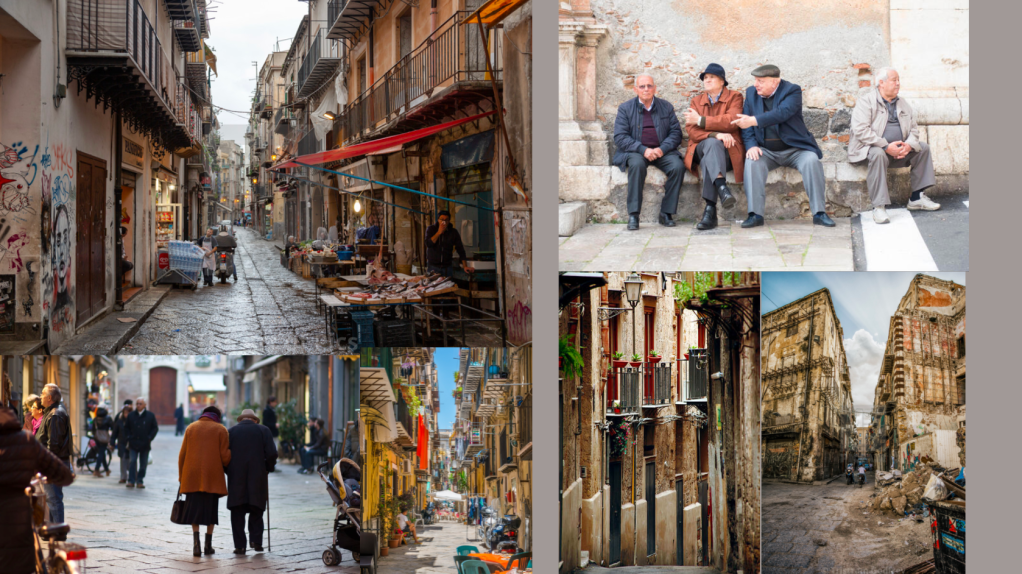
After watching the films, I wrote down key words to describe the scenes in order to summarise what I saw (as seen on the right). This helped me highlight what I needed to include in the VR environment and also identified the differences between the sounds in the centre of the city and the outer streets.
Creating environments in VR
On Instagram, I follow a Creative Director called @karenxcheng who creates regular posts where she explains in a few seconds her creative process behind her advert and video productions. One of her most recent posts at the time involved using a 3D scanning app called @polycam3d where she filmed herself on the steps of a building in 3D. This inspired me to download the app and try it myself.
References:
https://sketchfab.com/polycam/collections/polycam
Playing with Visualising Languages
I spoke with a tutor about my thoughts and how I was concerned my exploration of topics around my final outcome was going too far from the main topic, and she gave me some very useful advice… ‘It’s not deviating, think of it as foraging along your path towards the destination’.
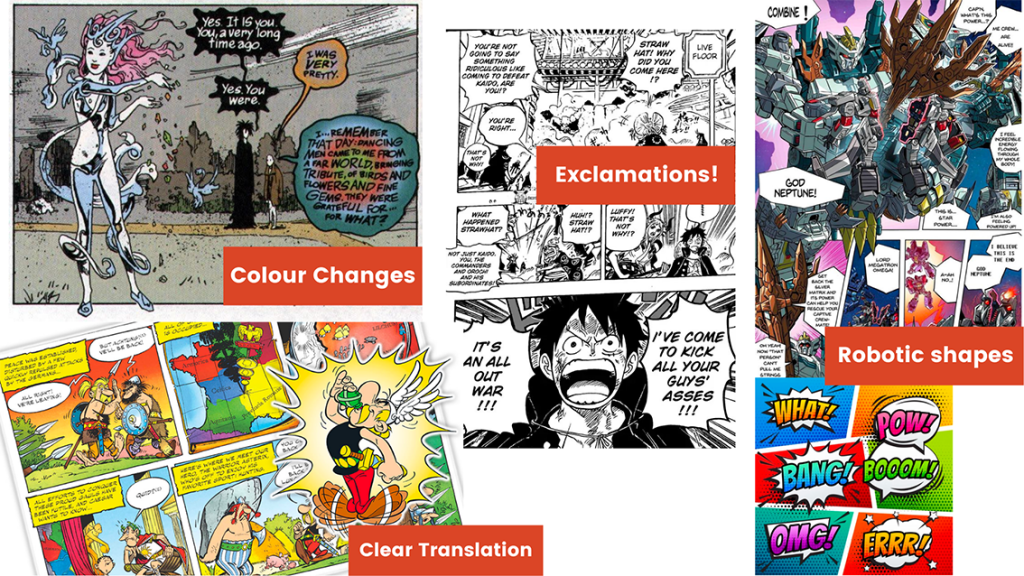
Hearing this comment gave me the courage to keep exploring stem topics and playing with the concept of visualising languages. I was advised to look at the work of Dave Mckean and his illustrations of The Sandman. As we spoke together about his use of colours and shapes for the speech bubbles, I was inspired to look into this expression in the use of shapes and palette. Below you will find a few comics I was inspired by when moving onto the next step.
References:
https://www.davemckean.com/portfolio/ – Dave Mckean’s illustrations of The Sandman
This lead me onto thinking about how I could transform Palermitano into expressive dynamic text. I looked into different types of ‘speech balloons‘ online, and brainstormed words I could use for the text. In order to pick out individual words and phrases in the sub-dialect, I watched a Youtube video of a group of locals talking about past events etc.
References:
Local Palermitani Video – https://www.youtube.com/watch?v=kMyZtuAXBtU
Speech bubble studies – https://www.animeoutline.com/how-to-draw-manga-speech-bubbles/
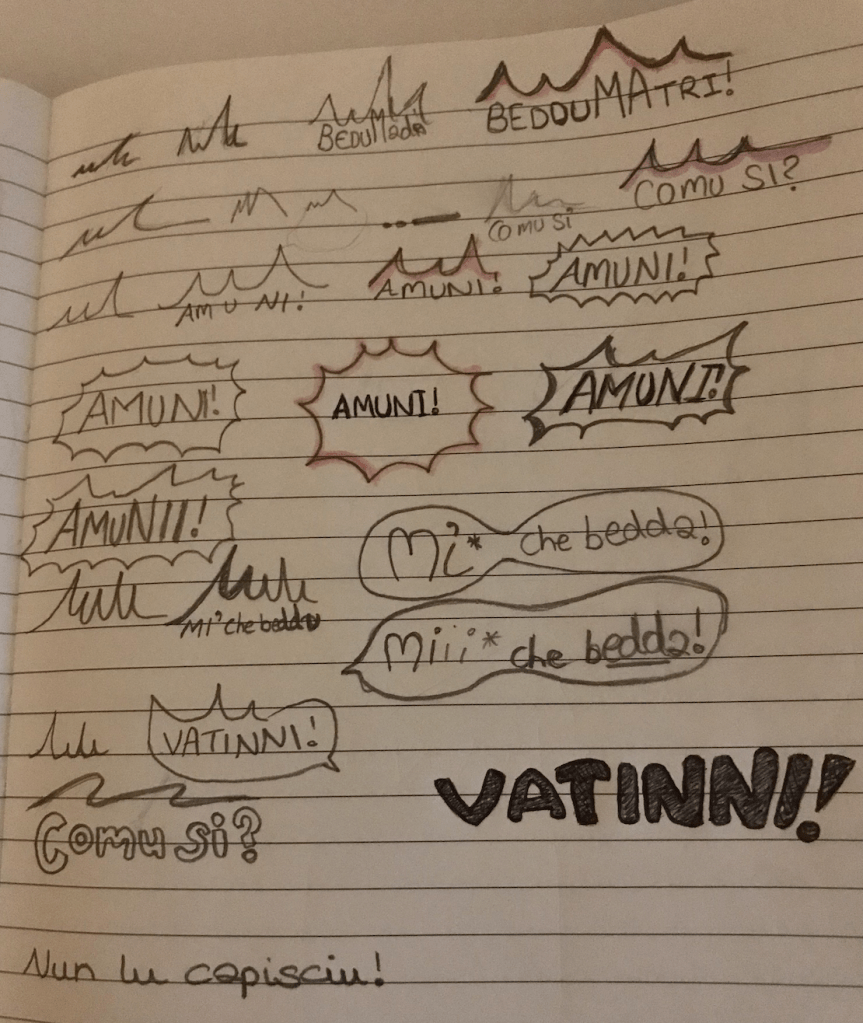
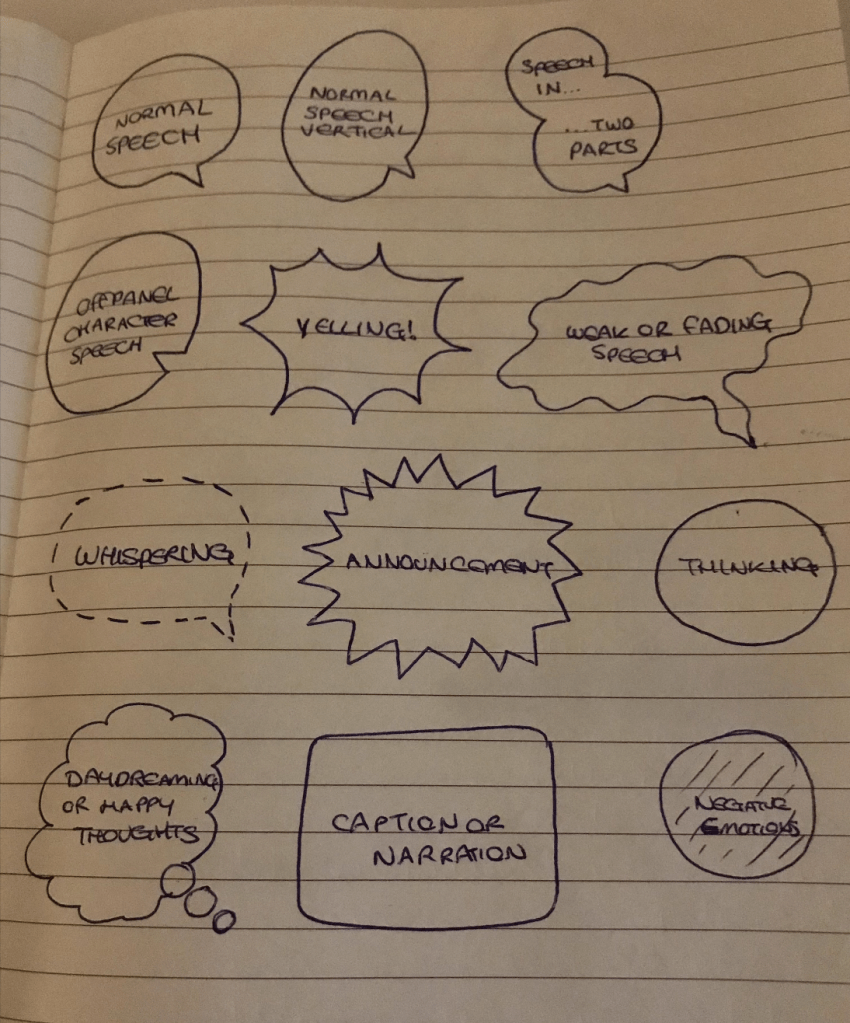
I looked into different forms of speech balloons online and discovered how each one served a different purpose depending on the text. I made a list of the different Sicilian phrases/ words I wanted to experiment with and played around with how they would look in the balloons. This was interesting to experiment with and it made me think about movement in text and how it can become dynamic with changing shapes.
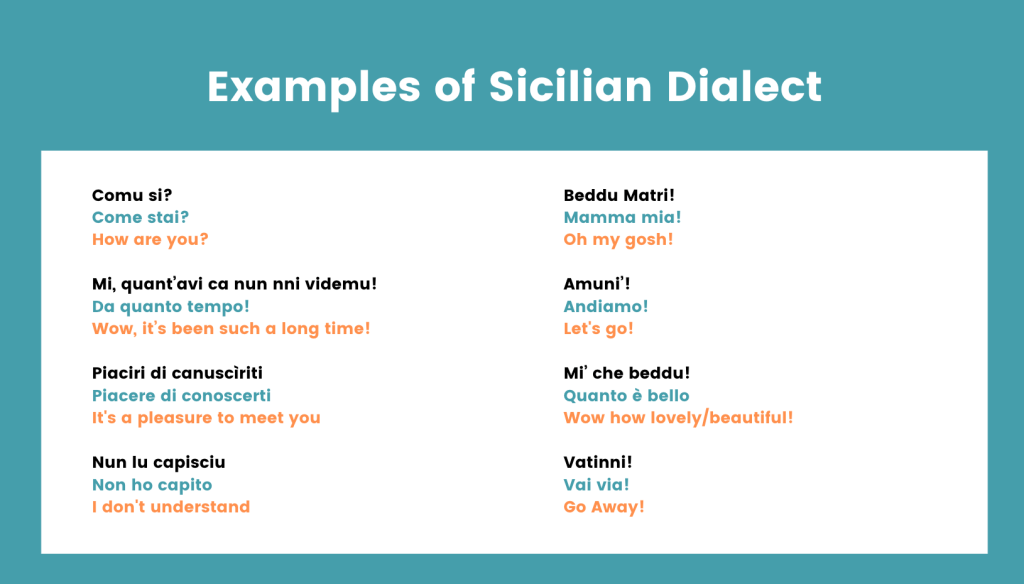
References for Sicilian Speech:
Sicilian Dialects https://www.youtube.com/watch?v=kMyZtuAXBtU
Local Palermitani – https://www.youtube.com/watch?v=kMyZtuAXBtU
Video reference – https://www.youtube.com/watch?v=hrQknvaY9lE
Font considered: Mochiy Pop P One – GoogleFonts
Experimenting with 3D Environments – Blender and Mozilla Hubs
To better understand how I could set out my project in VR, I researched different examples virtual landscapes online (on platforms such as A-Frame VR, Unity and Mozilla Hubs). On Mozilla Hubs I discovered a fantastic example of a scene that was similar to the scene of Palermo I wanted to create. The Palermo scene would be very different in layout, however the colours and buildings helped me to image the scene.
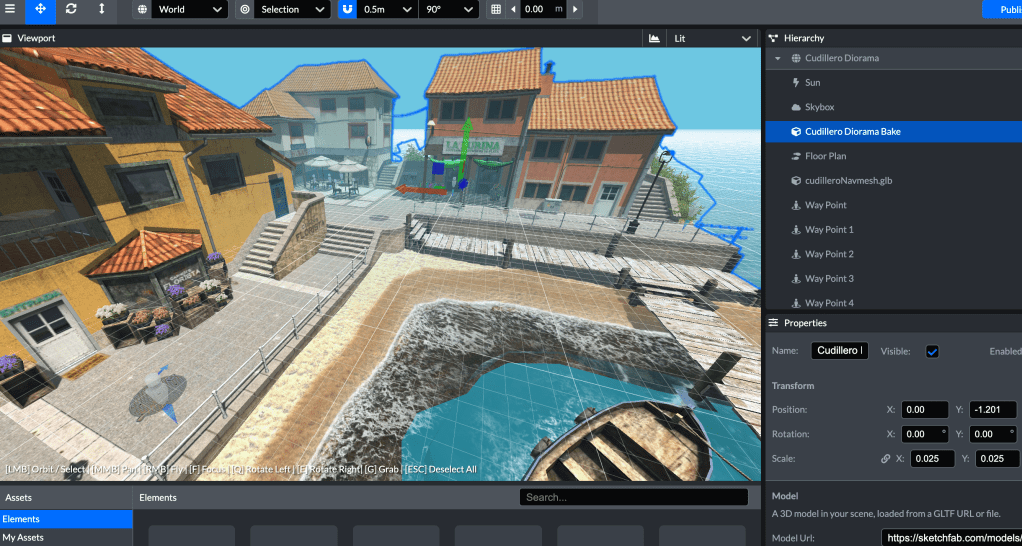
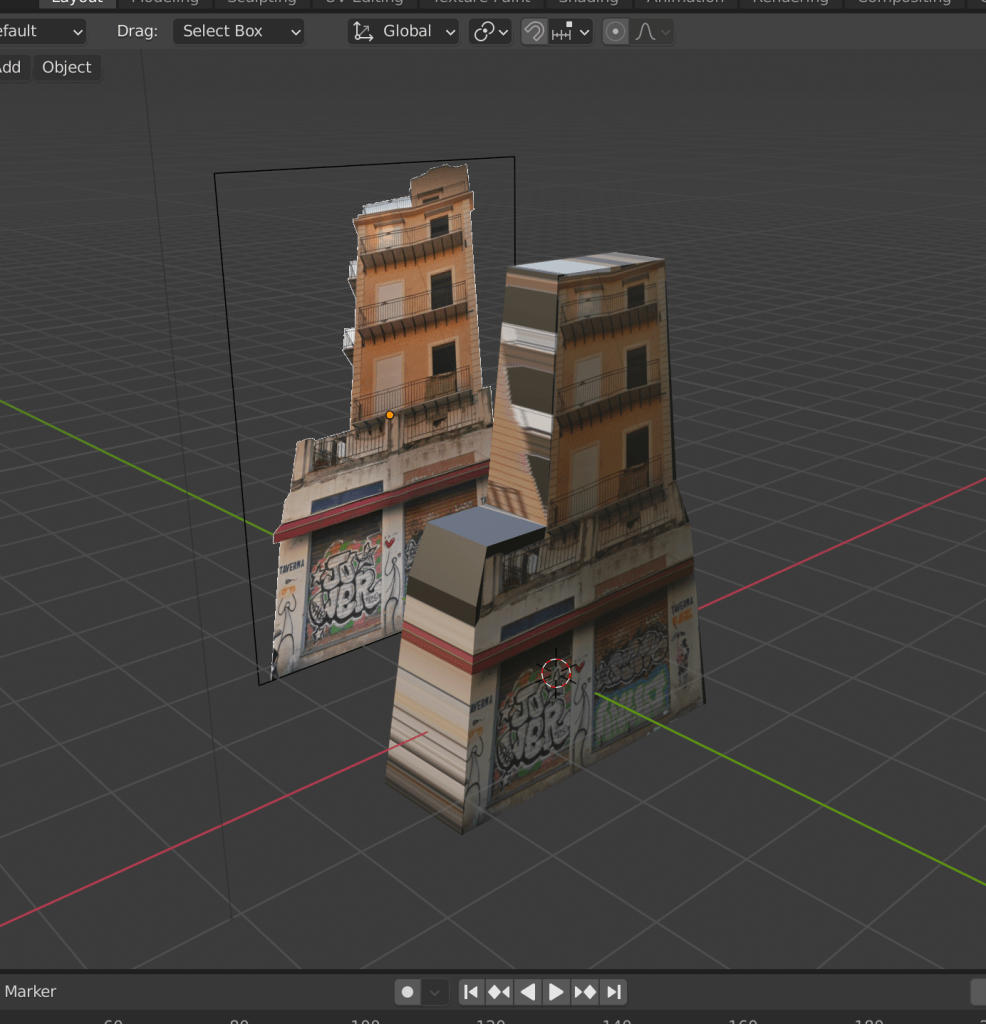
Due to my lack of knowledge on 3D modelling, I was unsure whether this could be realised. I started to follow some youtube videos and LinkedIn learning classes for Blender. I tried to create my own building, however it took me many hours to get to that point and I found myself spending more time on that than concentrating on the language side of the project. To the right you can see the building i created on blender with a photo that I took myself in the city.
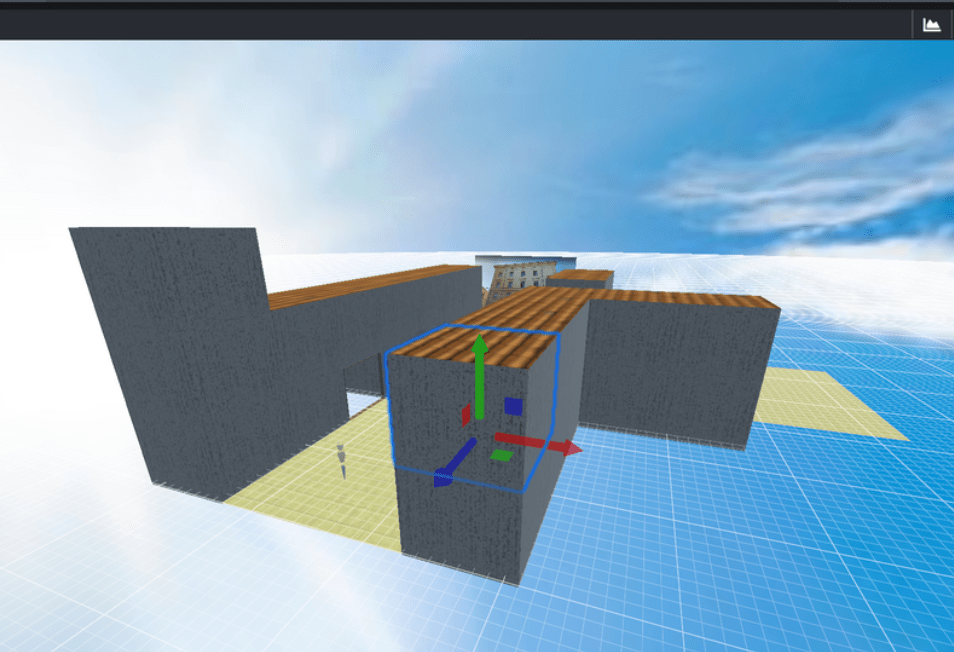
I thought back to previous projects I had done over the years and realised that I knew how to navigate Mozilla Hubs much better and it would take less time than on Blender. Below you can see the scene that I started to create on Spoke which took under an hour, and the idea was to place images on top of the buildings and build up the scene and environment of the city around.
References for Blender Learning:
https://www.youtube.com/watch?v=t_c58ryJ-Sw desired look
Tutorial – https://www.youtube.com/watch?v=v_ikG-u_6r0
https://www.linkedin.com/learning/blender-2-91-essential-training/deep-dive-dynamic-topology?autoAdvance=true&autoSkip=true&autoplay=true&resume=false&u=56743409
Video mentioned website: https://www.textures.com/
At this stage I also looked at which specific streets I would like to photograph and have in the VR environment. As I couldn’t be in Palermo in person, I searched on GoogleMaps for the streets I knew would be perfect for the project.
Places to consider: 7 Piazza Bellini, 11 Piazza Caracciolo
During a lecture I created a workspace on Spatial.io where I could eventually present my WIP. On Spatial you can also connect accounts such as Figma and Google Drive to it which could be useful.
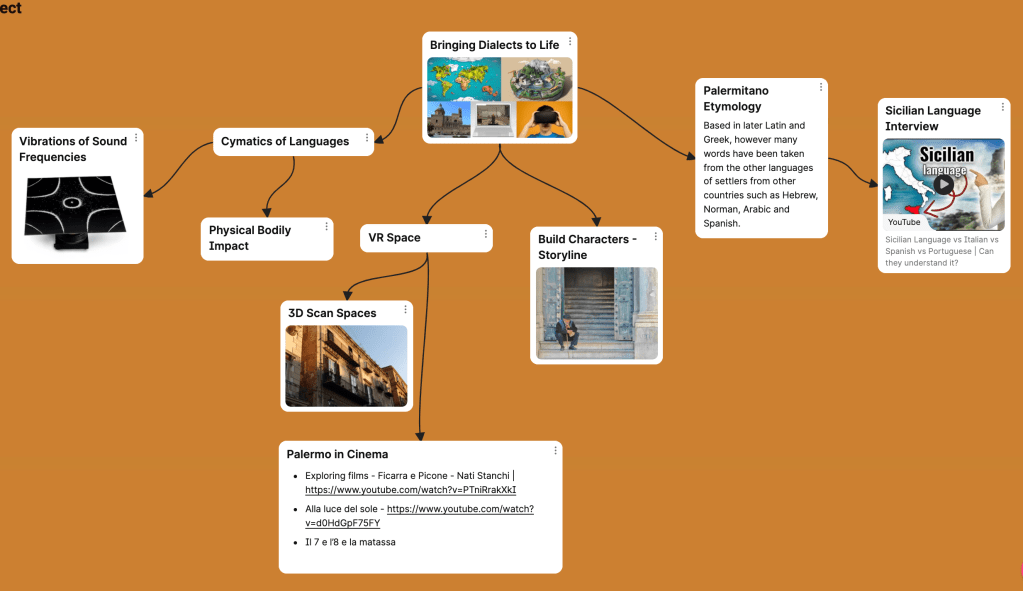
I then decided to create a mindmap of my ideas on Padlet so I could visualise my thoughts and topics I was exploring at that time.
A Little Book of Language, David Crystal

One of my lecturers leant me a book called A Little Book of Language by David Crystal. As soon as I started reading it, I knew that I would have learnt something from it. The chapters I read were Baby-Talk(1), Comparing Languages(19), Dying Languages(20) and Language Change(21). I found all of the chapters very interesting to read and managed to highlight the parts that stood out the most below…
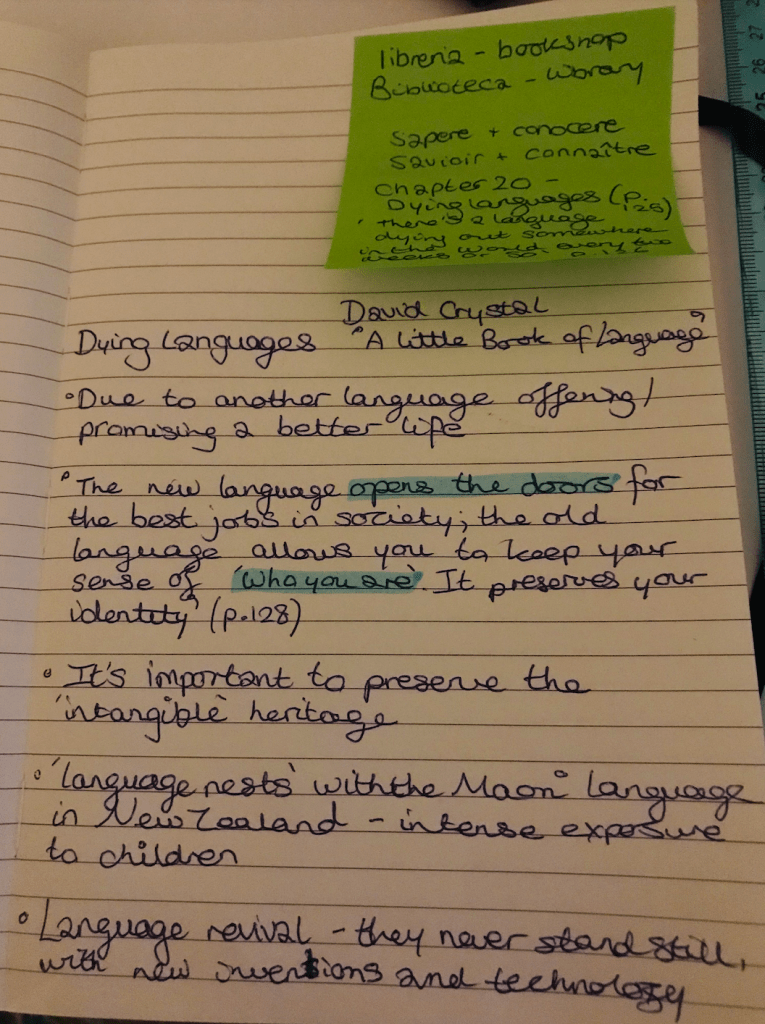
Reading this book gave me inspiration to start the 100 words write-up due for the end of the month.
100 Words
A language dies every two weeks. Therefore culture fades along with it. Maintaining a grip on less used languages is a nightmare in this society with the world progressing quickly with technology and human connection. Thousands of languages are being lost every year due to more popular languages being learnt and used more frequently. Less spoken dialects and sub-dialects hold the keys to culture across the world. The question this major project targets is ‘What if we could bring dialects to life?‘. Learning a new language opens doors for your future, but remembering your old language reminds you of ‘who you are‘ and your cultural history.
 KatiesBlog